

University of Akron Student Housing Acquisition Project
In December 2025, Provident was honored to be called to assist the University of Akron in addressing long-overdue deferred maintenance needs within its existing on-campus housing portfolio, right-size that portfolio to meet newly stabilized enrollment levels and enhance the University’s liquidity position.
Project Completion
and Impact Overview
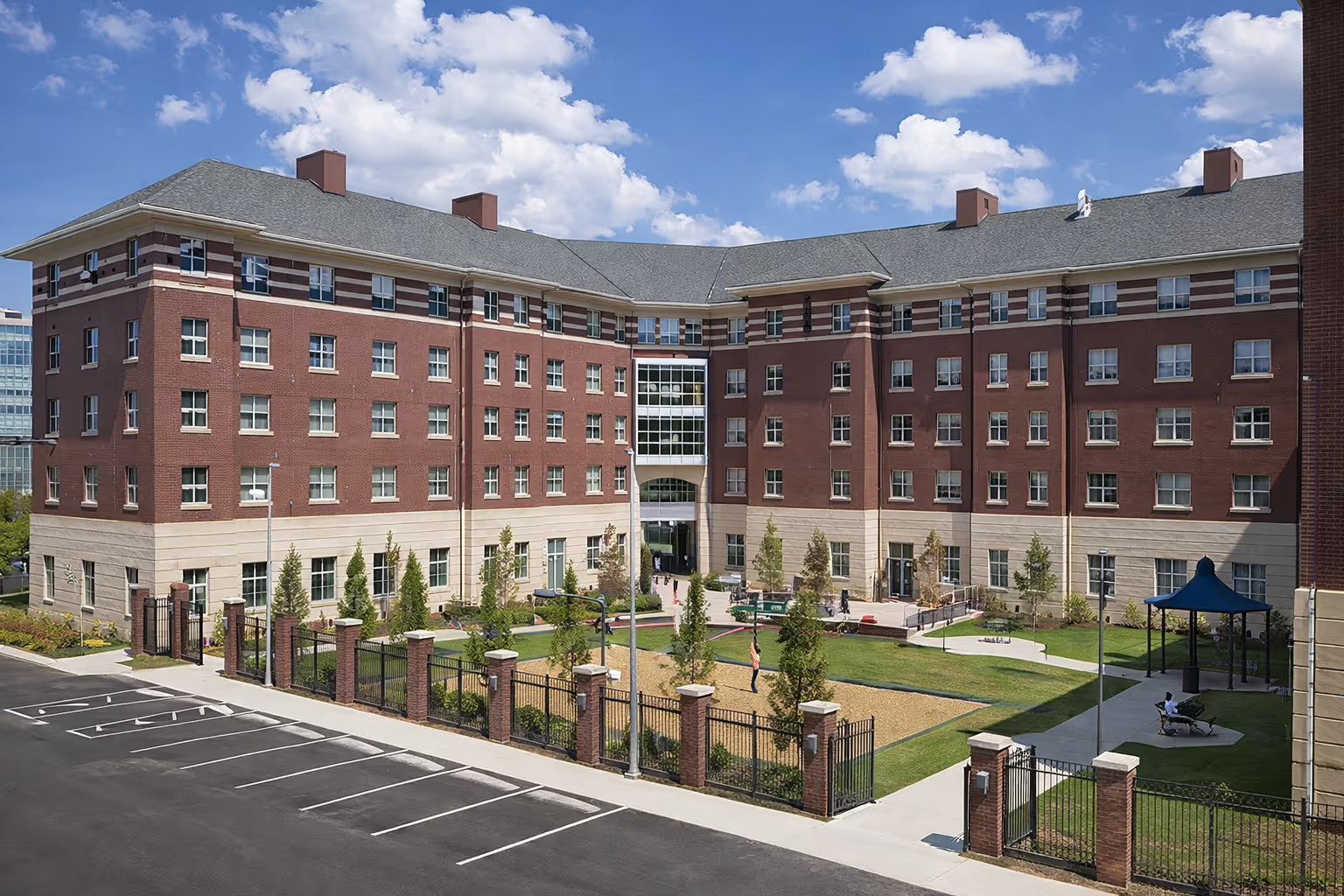
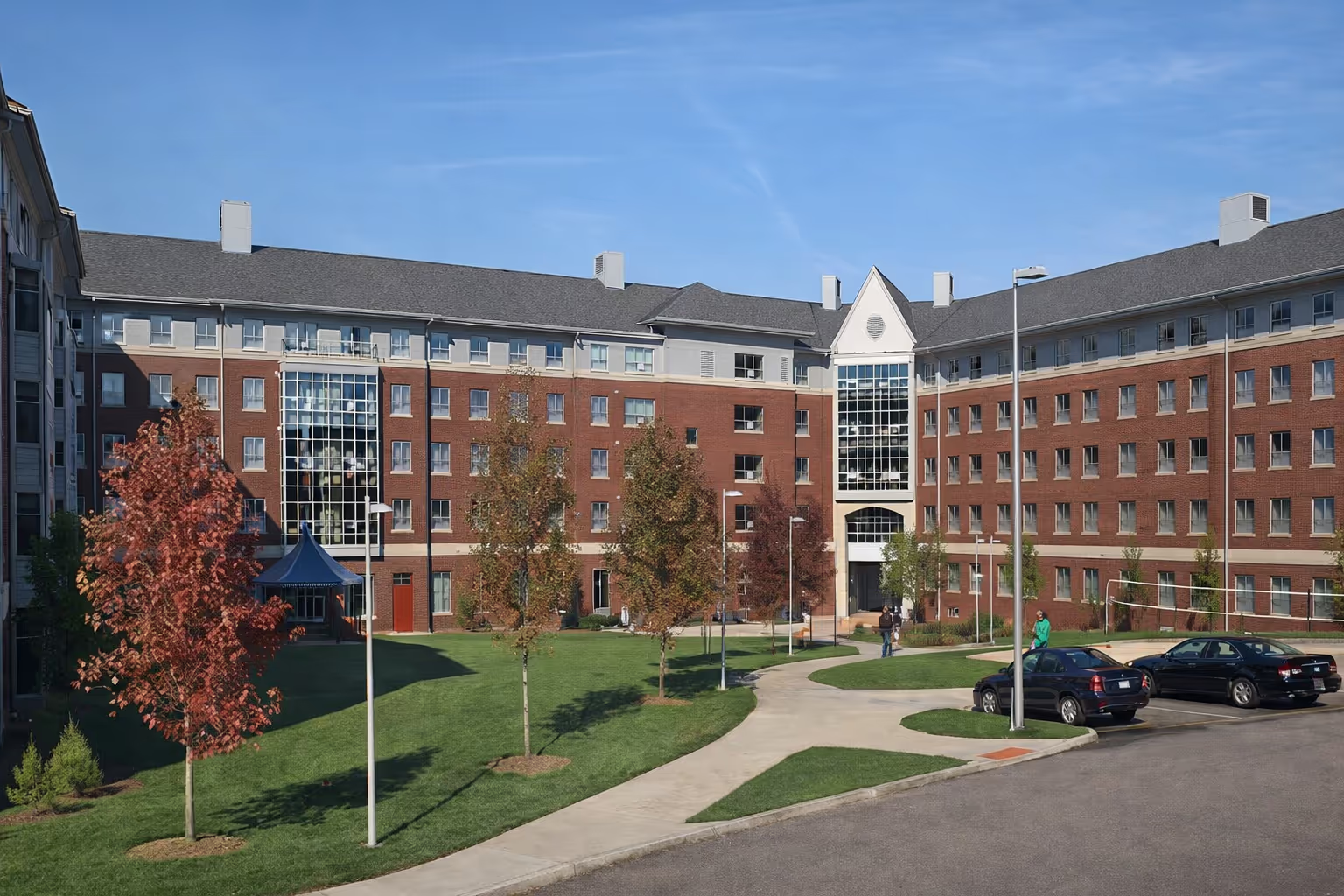
In December 2025, PRG – Akron Properties LLC and the University reached financial close on the tax-exempt and taxable financing of the acquisition. The housing system consists of nine residence halls, and redevelopment and renovation work will begin in spring 2026. During the project, three of the residence halls will be taken offline and eventually demolished, two will undergo significant redevelopment in academic year 2026-2027, and the remaining four will be renovated during the summer months. Improvements are slated for completion in summer 2028. The Project is non-recourse to the University and benefits from a first-fill obligation and certain subordinate shared services. The Bonds were initially rated BBB- by S&P with an enhanced rating of AA thanks to bond insurance provided by Build America Mutual.
Financing
$158,495,000 in Student Housing Revenue Bonds by the Development Finance Authority of Summit County.
Development &
Management
Radnor Property Group is serving as the Developer and, through a joint venture with Capstone On-Campus Management, the 3rd-party manager for the Project.
Community Impact
Provident’s acquisition of the University’s housing system, coupled with extensive renovations and demolition of select residence halls, provides UA with valuable upfront capital, modernized and enhanced residences for its students, long-term capital and operational risk transfer, and future economic upside through shared surplus revenues and asset reversion upon bond repayment.